Preventive dentistry focuses on maintaining oral health and identifying potential dental issues before they become serious problems. Rather than waiting for symptoms to appear, preventive care encourages regular monitoring, professional cleanings, and healthy oral hygiene habits. This proactive approach helps preserve teeth and gums while reducing the likelihood of extensive dental procedures in the future. Many individuals who consult the best dentist in Pleasanton understand that investing time in preventive care can help avoid discomfort, complex treatments, and unexpected dental expenses. Consistent attention to oral health remains one of the most effective ways to support long-term dental wellness.
Understanding the Importance of Preventive Dentistry
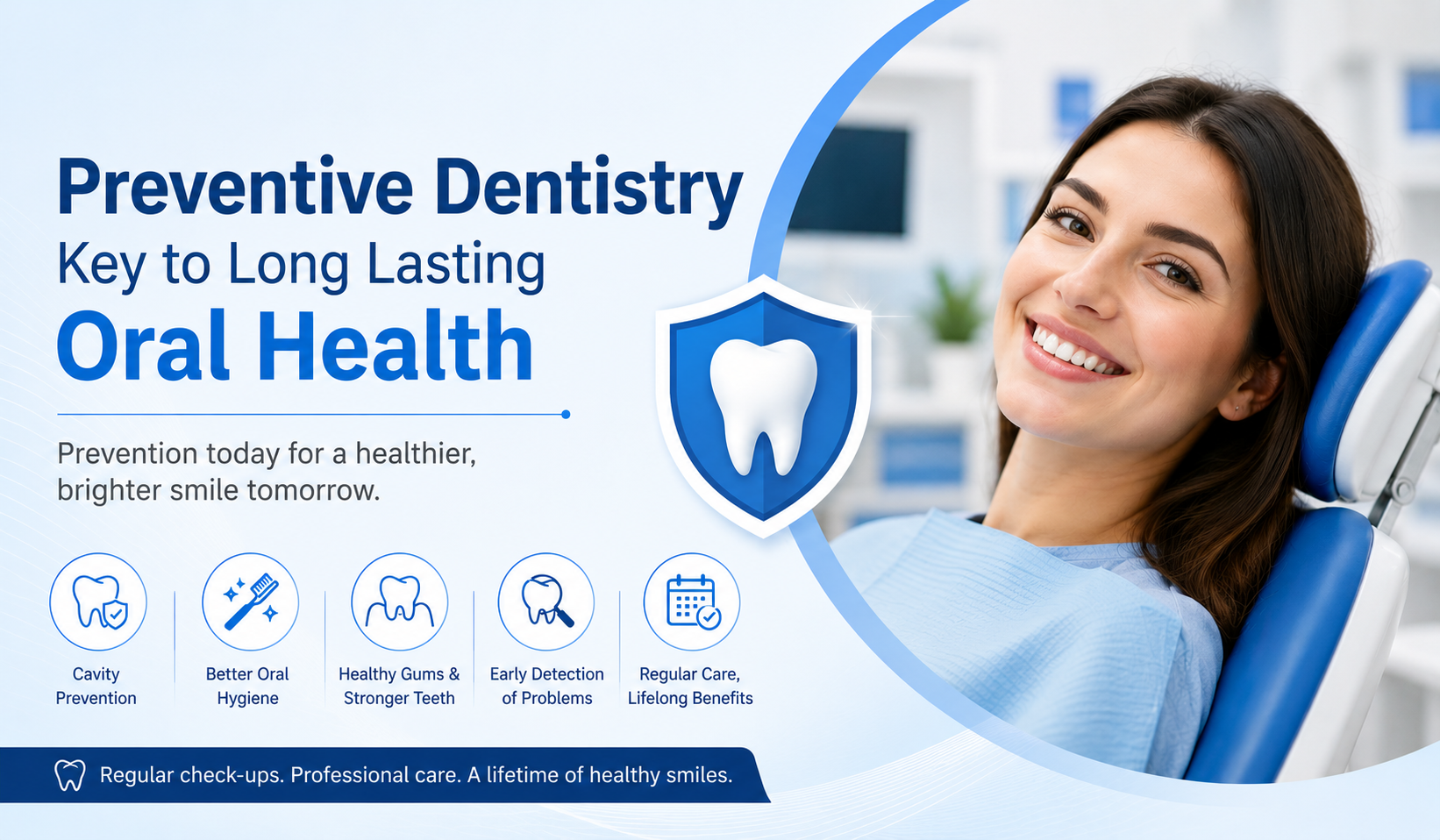
Preventive dentistry involves a range of practices designed to protect oral health and reduce the risk of disease. It emphasizes early detection, patient education, and routine maintenance.
Key goals of preventive dentistry include:
- Preventing tooth decay
- Reducing the risk of gum disease
- Preserving natural teeth
- Detecting oral health issues early
- Supporting overall wellness
By addressing concerns before they progress, patients can maintain healthier smiles and reduce the need for invasive treatments.
The Role of Regular Dental Checkups
Routine visits to a Dentist Pleasanton CA are an essential part of preventive care. Dental professionals can identify issues that may not be visible or painful during their early stages.
During regular checkups, patients may receive:
- Comprehensive oral examinations
- Professional dental cleanings
- Assessment of gum health
- Oral cancer screenings
- Personalized oral hygiene recommendations
These visits provide valuable opportunities to monitor oral health and address minor concerns before they develop into larger problems. Early intervention often results in simpler and more manageable treatment options.
Preventing Common Dental Problems
Many serious dental conditions begin as minor issues that can be treated effectively when detected early. Preventive dentistry focuses on identifying these concerns before they cause significant damage.
Common problems that preventive care can help avoid include:
- Cavities
- Gingivitis
- Periodontal disease
- Enamel erosion
- Tooth infections
Maintaining regular appointments and following recommended oral hygiene practices can significantly lower the risk of developing these conditions. Prevention helps protect both oral health and financial well-being by reducing the need for extensive restorative procedures.
How Early Detection Saves Time and Money
Many individuals seeking a Pleasanton family dentist appreciate the value of identifying dental concerns before they become severe. Early diagnosis often allows for conservative treatment that requires fewer appointments and less extensive procedures.
The table below illustrates how preventive care can influence treatment outcomes:
| Preventive Measure | Potential Benefit |
| Routine Checkups | Early detection of dental issues |
| Professional Cleanings | Reduced plaque and tartar buildup |
| Oral Examinations | Identification of hidden concerns |
| Patient Education | Improved daily oral hygiene habits |
| Preventive Monitoring | Reduced likelihood of major treatments |
When problems are detected at an early stage, treatment is often less complex, helping patients maintain healthier teeth and gums while minimizing disruptions to their daily lives.
Building Healthy Habits for Long-Term Oral Health
Preventive dentistry extends beyond dental appointments. Daily habits play a major role in protecting oral health and reducing future treatment needs.
Healthy habits include:
- Brushing twice daily with fluoride toothpaste
- Flossing regularly
- Limiting sugary foods and beverages
- Drinking plenty of water
- Following professional dental recommendations
These practices help control plaque, support gum health, and strengthen tooth enamel. When combined with regular professional care, they create a strong foundation for long-term oral wellness.
Frequently Asked Questions
1. What is preventive dentistry?
Preventive dentistry focuses on maintaining oral health through regular checkups, professional cleanings, early detection, and healthy oral hygiene practices.
2. How often should dental checkups be scheduled?
Most individuals benefit from visiting a dentist every six months, although some may require more frequent appointments based on their oral health needs.
3. Can preventive dentistry reduce treatment costs?
Yes. Identifying and addressing issues early often helps avoid more complex and expensive dental procedures later.
4. What conditions can preventive care help prevent?
Preventive care can help reduce the risk of cavities, gum disease, enamel erosion, tooth infections, and other common dental concerns.
5. Why are professional cleanings important?
Professional cleanings remove plaque and tartar that cannot always be eliminated through daily brushing and flossing alone.
Conclusion
Preventive dentistry plays a crucial role in protecting oral health and reducing the need for extensive dental treatment. Through regular examinations, professional cleanings, early detection, and healthy daily habits, individuals can maintain stronger teeth and healthier gums throughout their lives. Taking a proactive approach to dental care often results in better outcomes, greater comfort, and fewer unexpected dental concerns. Organizations such as Dalal Dental Care recognize the importance of preventive strategies, and many patients rely on guidance from the Best Dentists Near Me in Pleasanton, CA to support lasting oral health and wellness.